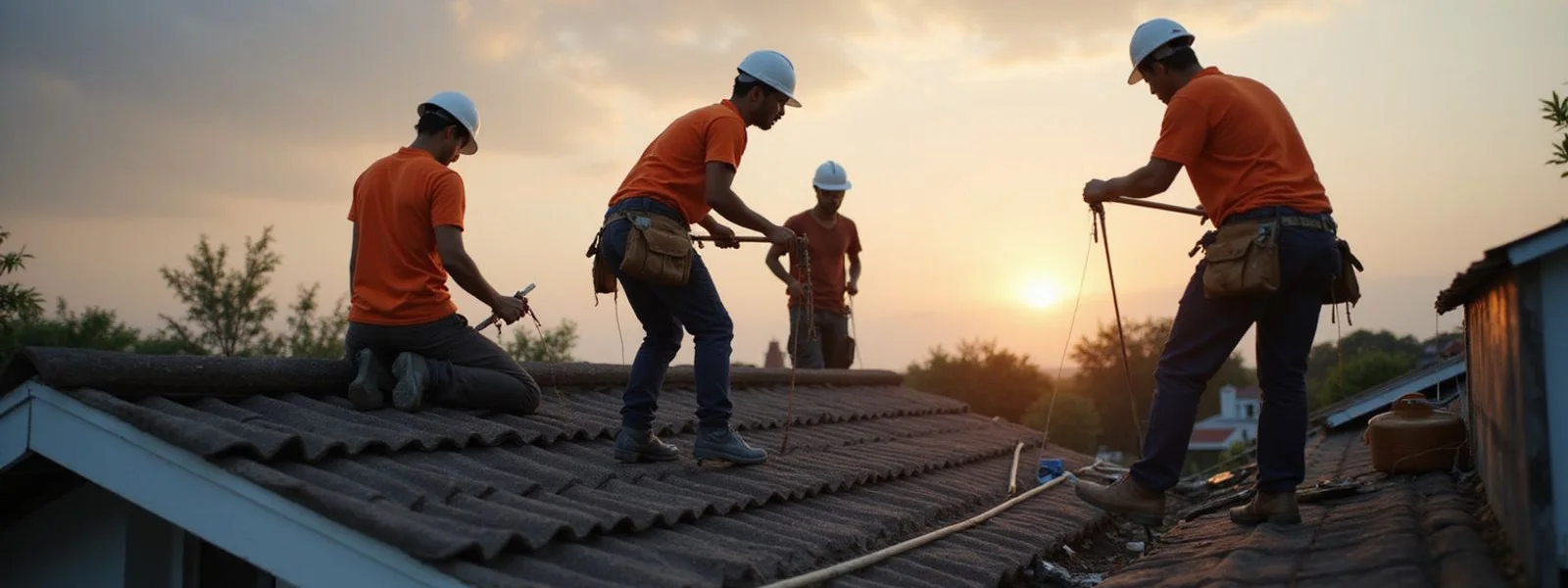
A roof rarely fails all at once.
It declines slowly through isolated leaks, cracked tiles, and temporary patches that barely hold until the next monsoon season. As a professional service team, we see this pattern constantly across Puchong and the wider Klang Valley.
The relentless tropical sun and heavy rainfall accelerate wear on exterior building materials. Spotting the signs you need a new roof early is a critical financial decision for property owners. Let us examine the data, identify the actual warning signs, and outline a practical response plan.
1. Widespread Tile Or Sheet Damage
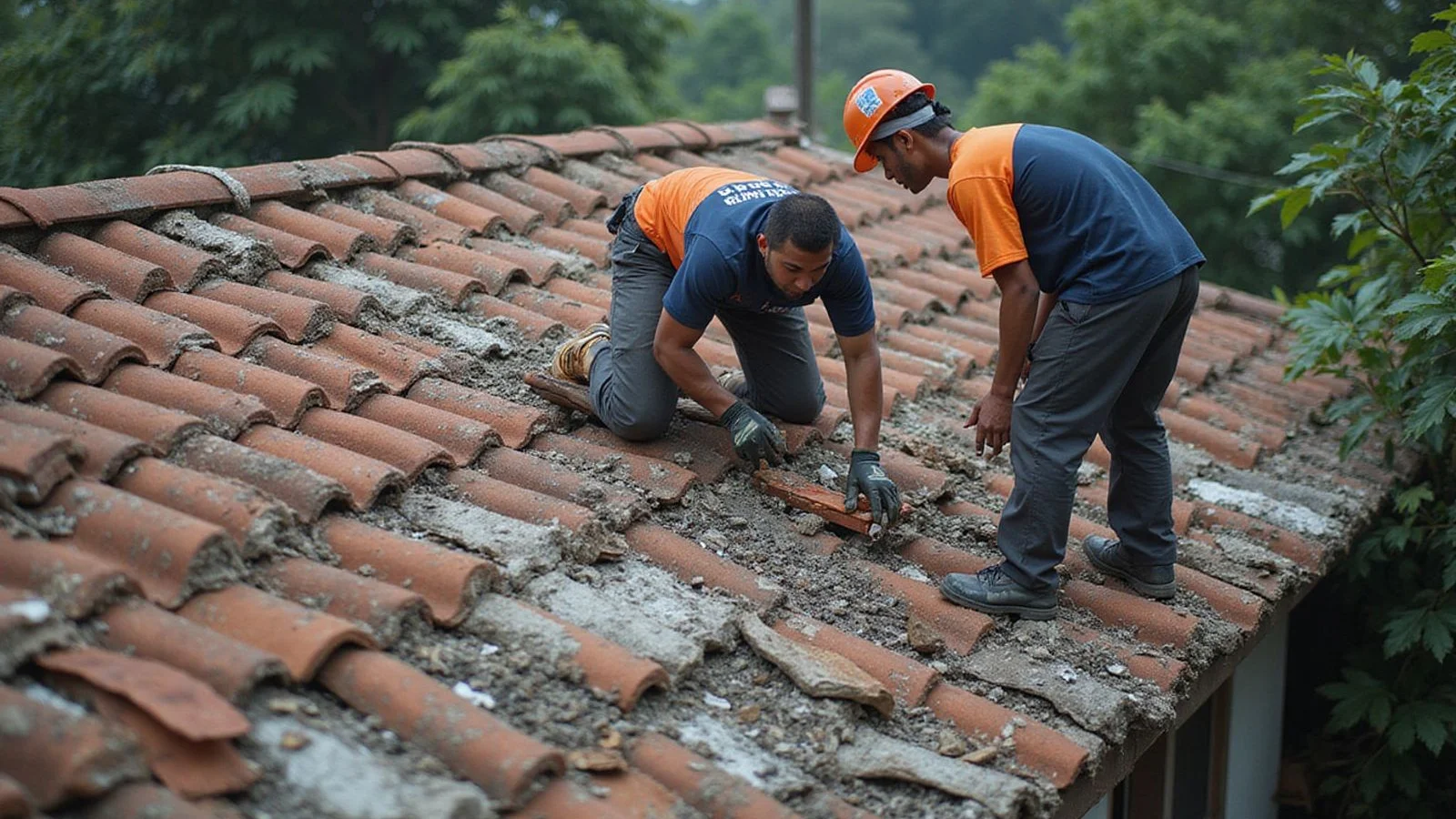
You can spot severe wear directly from the street level. Concrete roof tiles do not simply lose one or two pieces at the end of their lifespan. They show widespread fading, severe cracking, and slippage across multiple slopes.
Metal decks like Zincalume or Colorbond display extensive rust streaks and fastener pull-out after years of thermal expansion. Our inspection teams look for these broad failure patterns first. Surface temperatures in Malaysia regularly exceed 60 degrees Celsius.
Common Material Failures
- Concrete Tiles: Intense solar radiation bakes popular brands like Monier Elabana, making them highly brittle over decades of exposure.
- Metal Sheets: Expanding and contracting metals cause fasteners to loosen, leaving wide gaps for rain.
Patching individual failures buys you just a few months before the next adjacent section cracks. The economically sound answer is replacing the entire covering material.
2. Recurring Leaks
You have fixed the exact same leak twice this year. Or perhaps you have repaired three distinct water entry points since the last Northeast Monsoon season. Each repair holds temporarily before a new water stain appears on the plaster ceiling.
That recurring pattern usually points to several hidden structural problems:
- Degraded Underlayment: Roof sisalation paper typically lasts only 15 to 20 years in tropical climates. Once destroyed, surface water passes straight through.
- Invisible Vulnerabilities: You are playing whack-a-mole with microscopic cracks you cannot see from the outside.
- Accelerated Failure Rate: The primary structure reaches a stage where new gaps form faster than contractors can seal the existing ones.
We frequently encounter situations where property managers waste thousands on temporary fixes. Past three repair cycles, the cumulative cost rapidly approaches the price of a complete re-roofing. This permanent upgrade actually stops the water damage at the source.
3. Visible Sagging Or Roof Line Distortion
Stand across the street and evaluate the main roof line. The ridge should appear perfectly straight, and the eaves must run parallel to the ground.
If the underlying structure has shifted, you will notice specific visual cues:
- A visible dip or bow in the main ridge line.
- A distinct wave or uneven depression along the sloping surface.
- An eaves line that slopes awkwardly rather than sitting parallel to the street.
Malaysian homes typically utilize timber framing or light gauge steel. Timber trusses are highly susceptible to subterranean termite damage and long-term rot caused by hidden water leaks. A sagging exterior indicates that these primary supports are actively failing.
Our engineers always investigate structural movement immediately. You cannot fix a bowed ridge simply by swapping out the exterior tiles. The framing requires immediate attention, and this process almost always involves removing the covering material completely.
See roof truss repair for a detailed breakdown of what structural reinforcement actually involves.
4. Patch Costs That Keep Climbing
A clear financial warning sign is an escalating repair bill year after year. The first call to a contractor might cost RM 800 for a minor ridge cap seal. The next year, a multi-spot valley flashing issue sets you back RM 3,000.
We advise property owners to track these expenses meticulously. Based on 2026 pricing data for the Klang Valley, you can compare the clear financial difference between temporary patching and permanent replacement.
| Service Type | Estimated 2026 Cost (RM) | Long-Term Value |
|---|---|---|
| Single-Spot Repair | 800 - 2,500 | Temporary fix for isolated damage. |
| Multi-Spot Flashing Repair | 2,500 - 6,000 | Mid-term solution, high risk of adjacent failures. |
| Full Residential Re-Roofing | 18,000 - 45,000+ | Permanent protection spanning decades. |
At a certain threshold, the rising repair curve intersects with the cost of a brand new installation. Every ringgit spent past that point goes towards a dying structure you will eventually replace anyway.
If you have authorized three or more contractor visits in three years, it is time to run the numbers honestly. Add the past invoices to the next quoted repair, multiply by the expected number of future visits, and compare that figure to the actual replacement estimate.
5. Multiple Failure Points In Close Succession
A healthy roofing system might experience one localized failure after a major storm. An aging system produces a steady stream of unrelated issues across entirely different sections of the house. You might fix a cracked ridge tile in October, only to face a severe valley flashing leak in November.
Our local climate aggressively exposes these systemic weaknesses. The heavy squalls and high winds typical of the monsoon season will instantly reveal any compromised materials. If components are failing back-to-back, the classic roof end of life signs have officially arrived.
6. Visible Underlayment Or Daylight From Inside
Enter your dark roof cavity during the middle of the day. If you spot bright daylight shining through the underside of the tiles, your secondary line of defense has failed entirely. You might also see the protective foil underlayment hanging in torn, brittle strips.
Without an intact waterproof membrane, the slightest surface gap allows rain directly into your home. This moisture rapidly destroys plaster ceilings, insulation, and electrical wiring. We consider exposed daylight a critical structural emergency. This physical evidence proves the system is well past the point where targeted maintenance makes any logical sense.
7. The Roof Is At Or Past Service Life
High-quality concrete tiles can visually survive for 30 to 50 years under standard conditions. The hidden waterproof membranes and mortar joints, however, degrade much faster. Most underlayment materials installed in older Malaysian homes completely lose their effectiveness right around the 20-year mark.
Once this timeline hits, all the deferred structural decline tends to manifest simultaneously. Our maintenance records show that waiting for a catastrophic leak is far more expensive than planning a timely replacement. Determining when to replace roof materials becomes much easier if you track the original installation date.
What’s Not Necessarily A Sign
Not every issue demands a massive renovation project. Understanding the difference between cosmetic wear and structural failure prevents unnecessary spending.
Common Minor Issues
- One localized leak: A single dripping spot usually means an isolated, easily fixable seal issue.
- Black stains or moss patches: High humidity in Malaysia encourages surface algae. Chemical soft washing removes this safely.
- A single missing tile: Sudden storm damage is perfectly normal and highly repairable.
- A generally dirty surface: Environmental dust buildup is strictly cosmetic and does not compromise structural integrity.
We strongly advise against authorizing a massive replacement based on one minor leak. Overreacting to a single sign from the list above is almost always a financial mistake. Combining multiple verified symptoms, however, provides the clear data needed to make the right call.
Get An Honest Assessment
If you recognize a couple of these signs you need a new roof and wonder whether a complete overhaul is necessary, book a free inspection.
We provide clear, data-driven evaluations based on actual physical evidence. Sometimes the data shows you still have years of safe life left with targeted maintenance.
Other times, the most economical choice is to replace the system immediately and stop the recurring cash drain. Make your financial decision based on the factual condition of your property, not a contractor’s monthly sales target.
Frequently Asked Questions
How do I know if I need a new roof?
How old is too old for a roof?
Can a roof be saved instead of replaced?
Need help with this?
Our team handles roof replacement & re-roofing across Puchong and the Klang Valley. Free inspection, transparent quote.